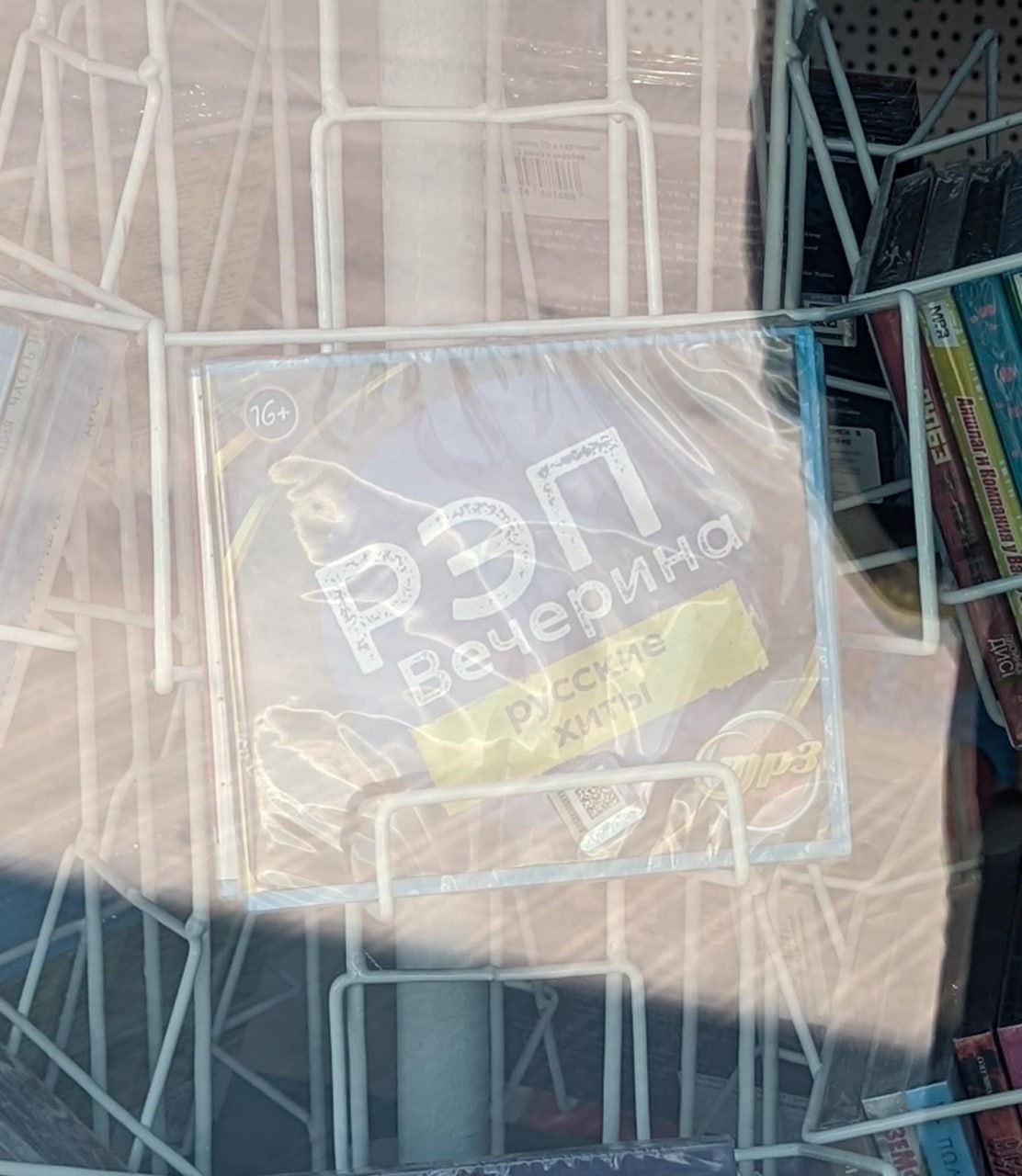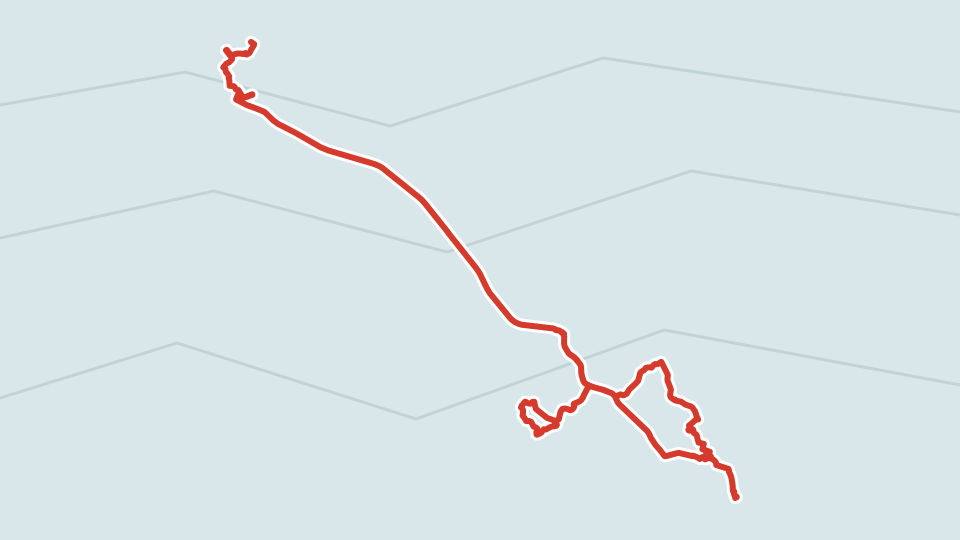
At the very end of summer, we visited the Braslaw district once more, this time with a different crew. We saw a massive 🍫 "Spartak", in half-kilo and one-kilo variants. They even have it at the ⛽️ on the way in. Then we went to that same safari park, and stared at the 🐻🐰🐱🐑🐗🐎. At the beach near the city, we chatted with some locals. At first everything seemed fine, but then they suddenly jumped to talking about the insidious NATO that won't let them live in peace. That gave me the impulse to take my leave, because it was already late anyway. And then unexpectedly at the end, we rode to Dpils from the border under our own power, and ended up banging out a whole 100km. I think there's a chance to repeat it this year. Not only is there a crew and a car, but I also caved to social pressure and ordered a direct drive trainer for my bike.
It's this thing where you mount your bike without the rear wheel (the trainer has its own "pseudo-wheel"). Then you turn on a special app (game?) on the TV, where you ride your bike over drawn mountains and valleys. In this virtual world, other cyclists are riding too, including your friends, and you can push hard together, just like in real life. True, no matter how much I asked, nobody wants to yet, so for me this ➕ is debatable.
Also, when you pedal up a virtual ⛰, the trainer resists to make it harder for you, and when you go downhill, it helps. Obviously, there are competitions in there too, and all sorts of nudges to force you to ride more and get healthier. These days, such things are widely known in the form of TikTok, Insta, and Facebook as the attention economy. Fortunately, in training apps, you pay with real 💰💰💰, not by watching ads. Ultimately, I don't see any harm from the authors of this software pressing your dopamine buttons, just pure benefit.
There are various training platforms, and trainers connect to them in a universal way, so I bought the less expensive Zwift Hub. It costs less than its alternatives, with the expectation that you'll buy a subscription and shell out cash to the creators every month, thereby making up for an almost subsidized product. This concept is known as the "Gillette principle". I think the new generation will definitely relate more to the parallel with gaming consoles, where you buy the console below cost, only to later spend a fortune on licensed games.